Australian Internet Loans
For Fast, Flexible Online Loan Quotes
Australian Internet Loans :: Articles

Understanding and Improving Your Credit Score: A Guide for Australian Consumers

How can Australian consumers understand and improve their credit scores?

Understanding and Improving Your Credit Score: A Guide for Australian Consumers

The information on this website is general in nature and does not take into account your objectives, financial situation, or needs. Consider seeking personal advice from a licensed adviser before acting on any information.

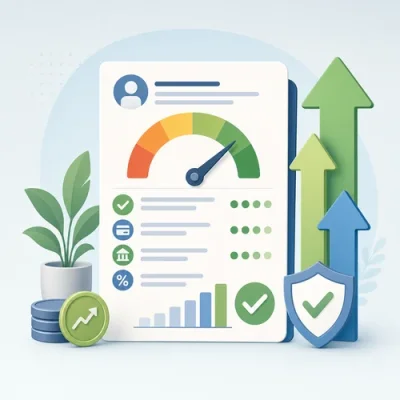
Your credit score is a crucial factor that lenders use to determine your creditworthiness and your ability to repay loans and credit card debts. It is a numerical representation of your credit history, and it ranges from 0 to 1,000. The higher your credit score, the more likely you are to be approved for a loan or credit card, and to be offered lower interest rates.

Your credit score is calculated based on a variety of factors, including your personal details, past credit applications, repayment history, and information regarding any court judgments or bankruptcies. Your personal details, such as your name, date of birth, employment history, and length of time at your current address, are used to verify your identity and assess your stability. Your credit history, including the type and amount of credit you have applied for in the past, the credit providers you have used, and the credit limits and repayment history of your accounts, is used to assess your creditworthiness. The number of credit applications you have made and any overdue accounts also contribute to your credit score.

In Australia, your credit score is used in a variety of situations, including applying for a bank loan, determining the interest rates on loans, and determining your eligibility for car loans, personal loans, credit cards, and mobile phone plans. It can also be used by utility and internet service providers when setting up accounts.

To improve your credit score, it's important to pay your bills on time, repay existing loans and debts, avoid applying for too much credit, and ensure that your credit report is accurate. Additionally, you can lower any current credit card limits. Late payments and high outstanding debts can have a negative impact on your credit score, so it's important to stay on top of your finances and make timely payments.

If you're looking to improve your credit score, the best way to start is by checking your credit report. You can request a free credit report from a credit reporting body in Australia. It's a good idea to review your credit report regularly to ensure that the information is accurate and up-to-date. If you find any errors, you can dispute them with the credit reporting body and the credit provider.

In conclusion, credit score is a vital aspect of your financial wellbeing and can have a significant impact on your ability to access credit and loans. It's important to take steps to maintain a high credit score and to stay informed about your credit history and credit report. By understanding and managing your credit score, you can take steps to ensure that it is as high as possible, and to be in a better position to access credit in the future.


Published: Friday, 27th Jan 2023
Author: Paige Estritori

Rate this article

0 Comments

No comments yet. Be the first to share your thoughts.


Finance News

Why More Borrowers Are Turning to Brokers in a Tighter Market
12 Aug 2026: Paige Estritori
Fresh industry coverage from The Adviser points to a continuing shift in how Australians approach finance: more borrowers are leaning on broker support as lender policies, product options and assessment standards become harder to navigate alone. While much of the discussion is mortgage-focused, the same pattern is relevant for personal loan applicants, self-employed borrowers and business owners seeking working capital, equipment finance or refinancing. - read more
Small Businesses Are Rethinking Finance as Lenders Get More Selective
05 Aug 2026: Paige Estritori
Australian small businesses appear to be entering a more selective phase of borrowing, with recent lending industry updates pointing to stronger demand for practical, purpose-led finance rather than broad expansion debt. Instead of simply asking how much they can borrow, many owners are now focusing on whether a facility will protect cash flow, support revenue and withstand closer lender scrutiny. - read more
What BOQ’s Latest Update Means for Borrowers
29 Jul 2026: Paige Estritori
Bank of Queensland’s latest market update points to a lending environment where banks are still prepared to write new business, but are being far more selective about risk, pricing and customer quality. For Australian borrowers, the practical takeaway is not that finance has disappeared. It is that applications now need to be cleaner, better evidenced and matched to the right product from the start. - read more

Finance Articles

Avoiding Common Pitfalls: Mistakes to Watch Out for in Budgeting
Today, we're diving into one of the most crucial aspects of personal finance: budgeting. Whether you're managing a household or planning for future goals, knowing how to budget effectively can be a game-changer. - read more
Borrower Rights and Responsible Lending Protections in Australia
Before taking out a loan, Australians should understand how credit licensing, responsible lending, disclosure rules, hardship assistance and complaint pathways may protect them. - read more
5 Key Steps to Take Before Applying for an Online Loan
Applying for an online loan can be a convenient way to manage your finances from the comfort of your own home. With technology's advancement, borrowing money has shifted from traditional brick-and-mortar institutions to digital platforms, making the process quicker and more accessible. However, navigating through this online landscape requires an understanding of how it operates. - read more